LuminaVision Innovation Labs operates at the vital intersection of synthetic biology, digital media, and the space arts. Founded on the conviction that human expansion into the cosmos must be guided by Life-Cycle Ethics and Universal Hospitality as a core expression of human intelligence, the lab champions a fundamental paradigm shift. We actively pioneer a transition away from cold, industrial engineering and the mechanical debris of the past, moving instead toward cultivated, living biological space transportation and regenerative systems designed to foster arts, culture, and life within space exploration.
Redefining the Journey to the Stars
The Biocentric Future: The true path to the stars does not rely on rigid machines, but on green, living, symbiotic technologies that integrate science, engineering, and artistic expression into a thriving ecology.
The Limitation of Current Tech: Despite their captivating silhouettes, today’s rockets are antiquated relics of past imaginations. They are fundamentally unequipped to sustain human life on Mars over the long term.
The lab’s overarching philosophy is that as humanity moves beyond Earth, we must leave hate behind. To achieve this, the environments and technologies we build must reflect our highest ideals. All development is deeply rooted in the willoworld aesthetic—eschewing rigid, geometric structures in favor of fluid, organic, and bioluminescent forms that harmonize with life.
The Xenian Node | Artronauts Creating Bio-Kinetic Drift Paintings With Bio-Pixel Array
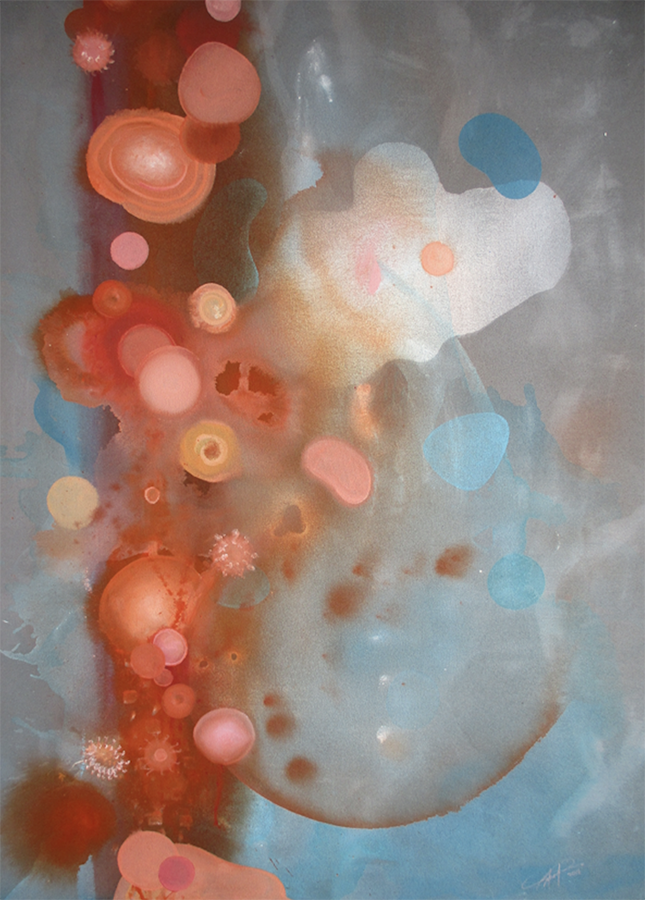
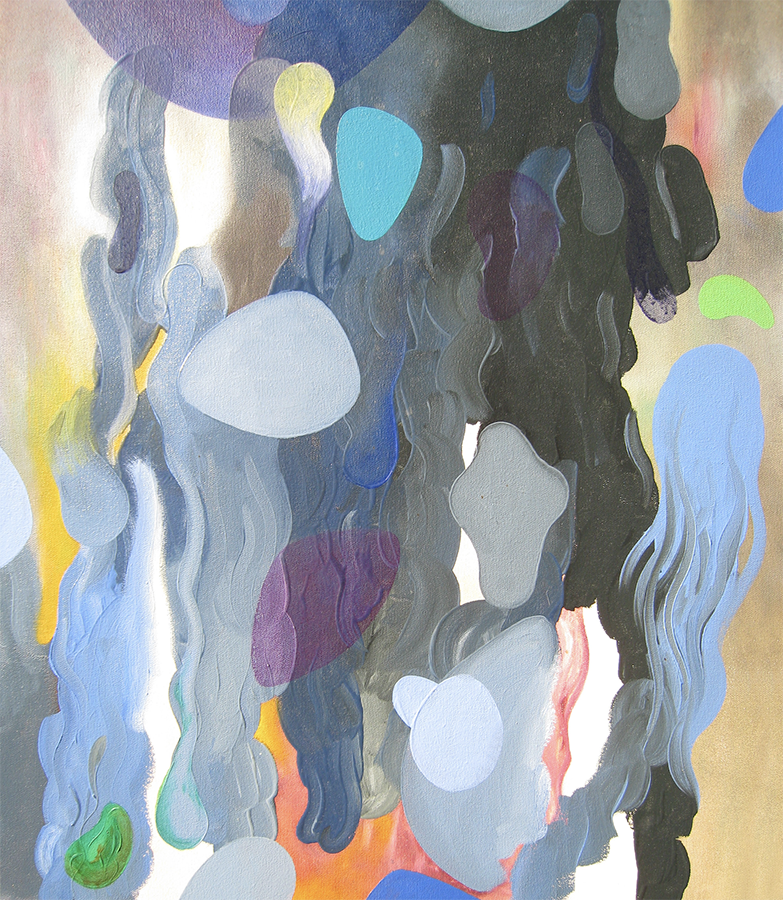
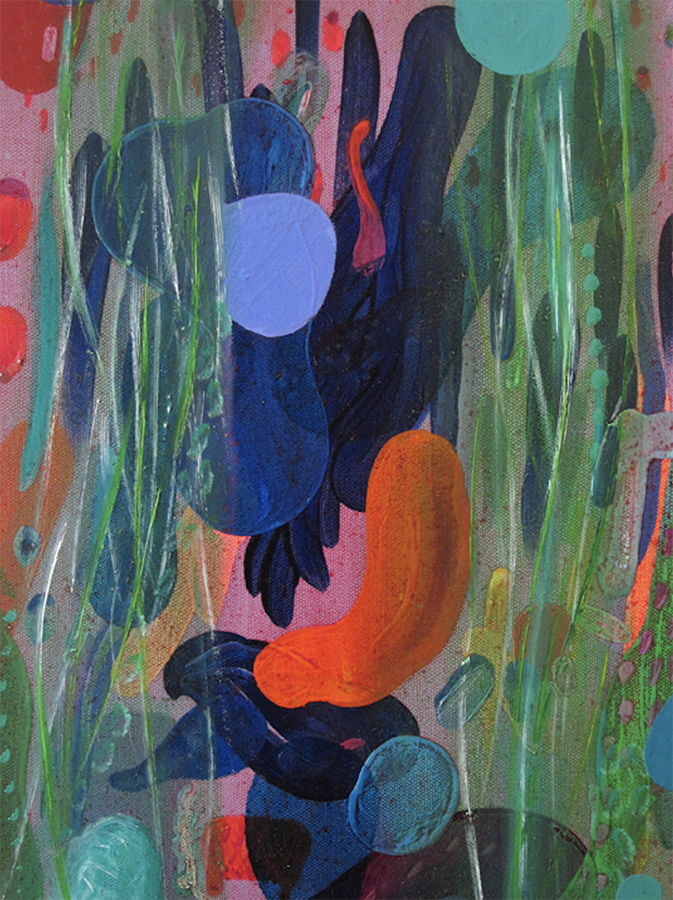
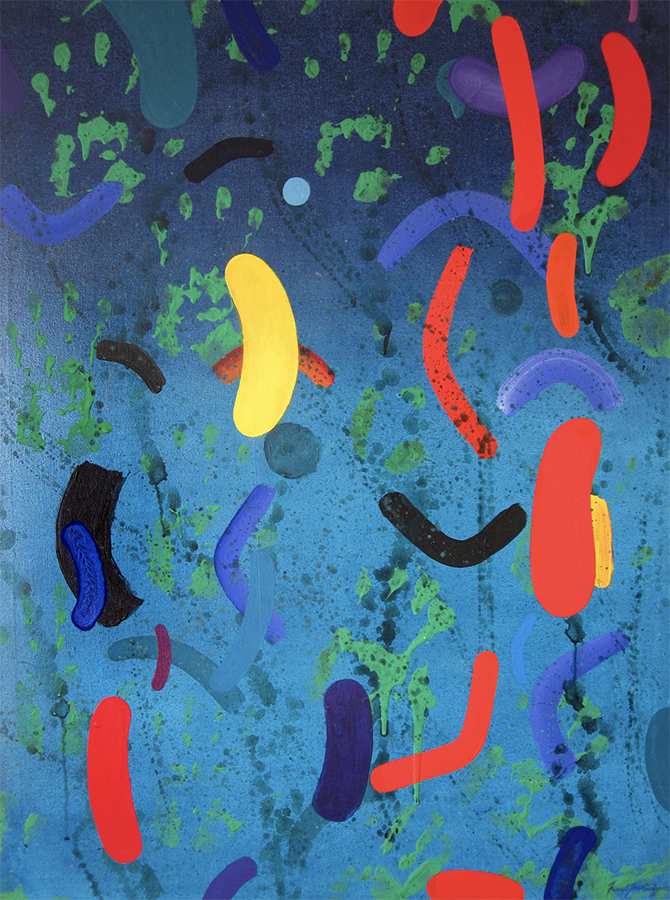
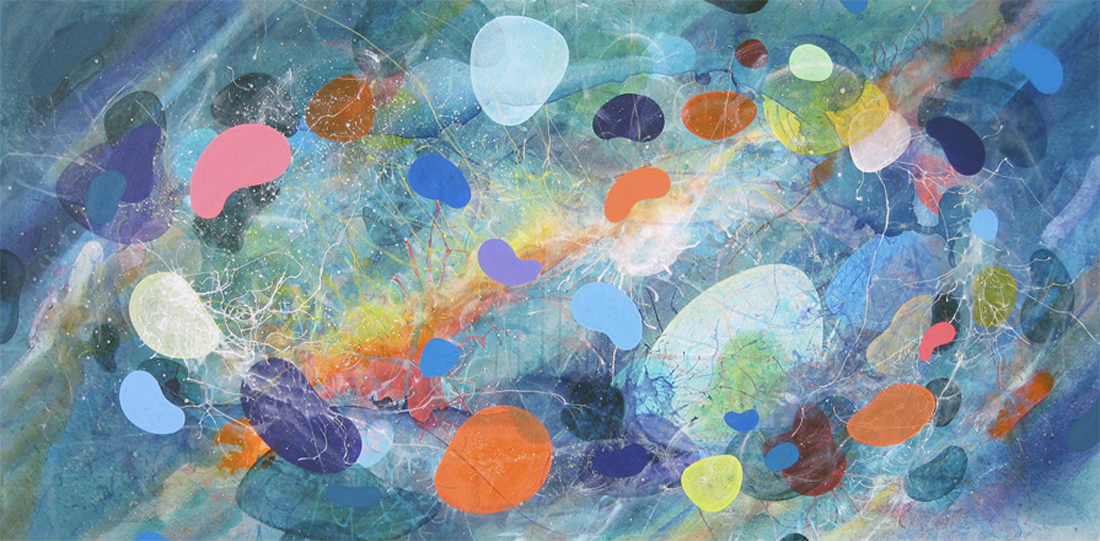
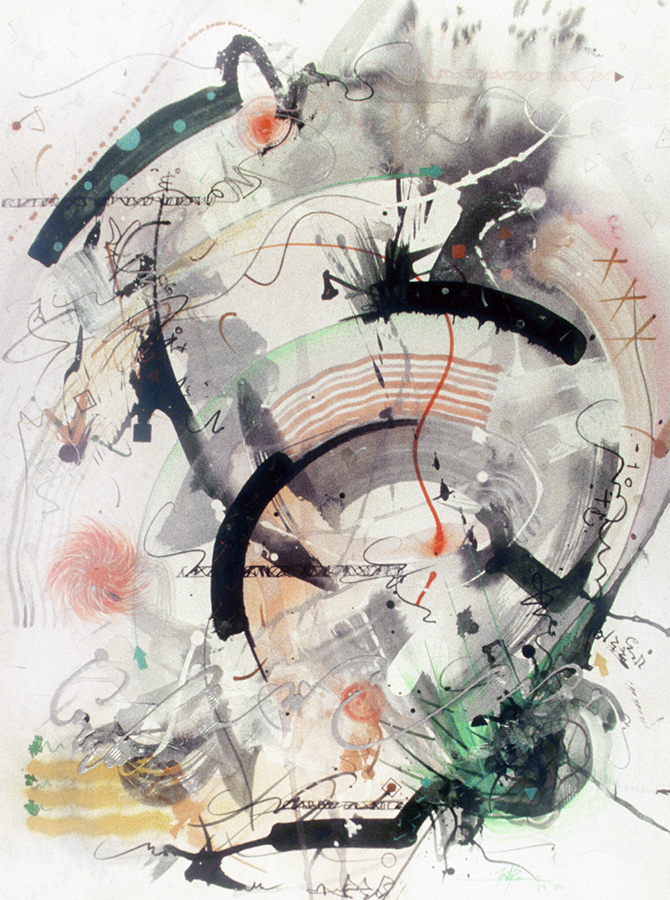
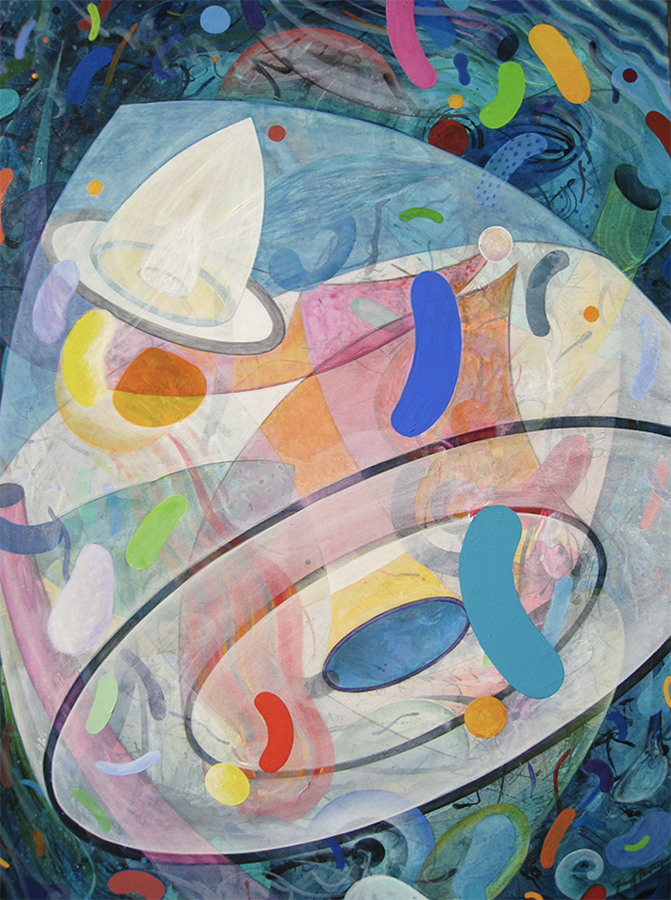
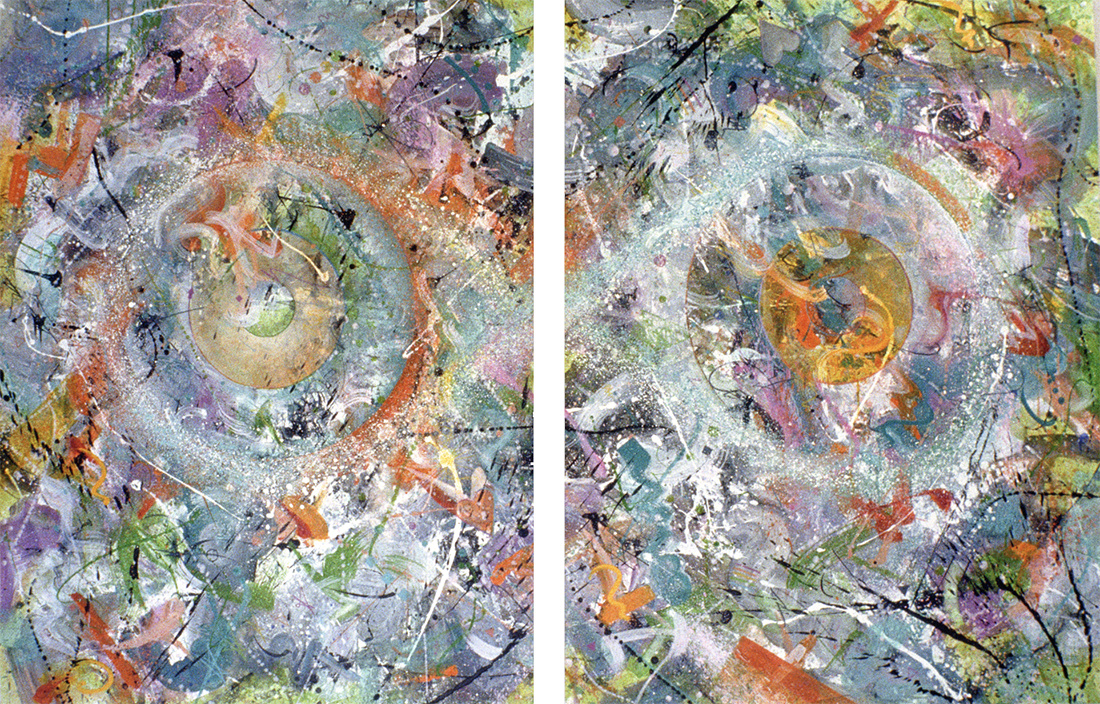
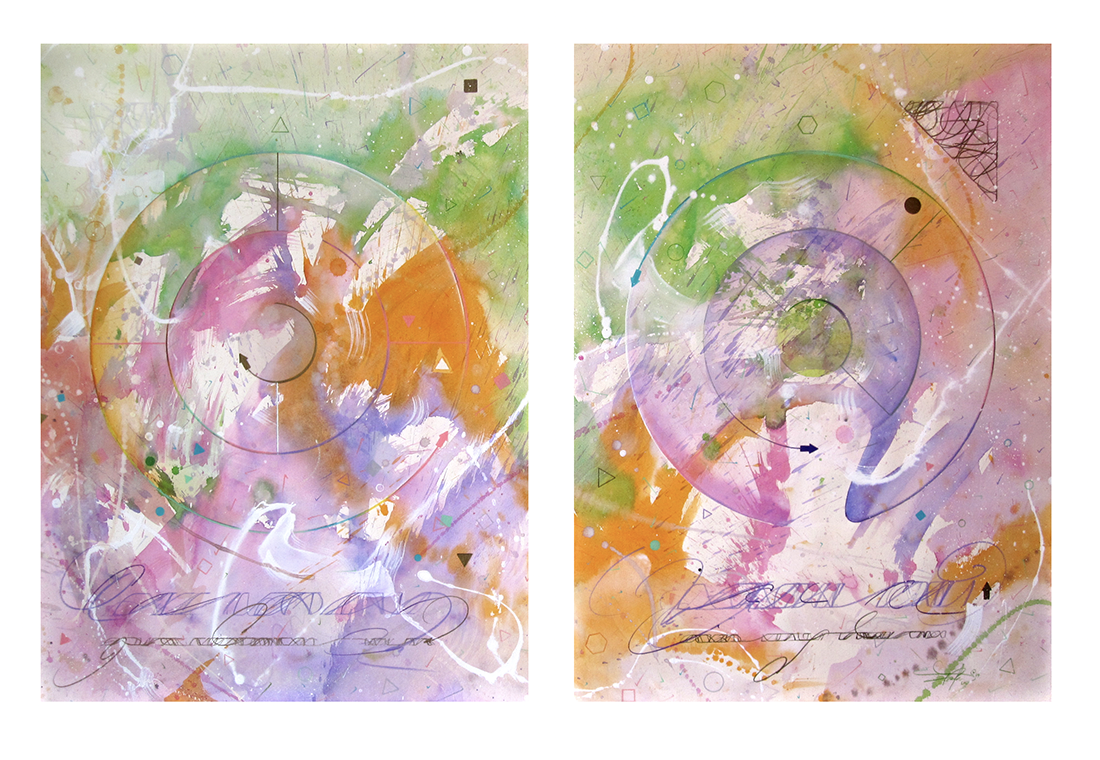
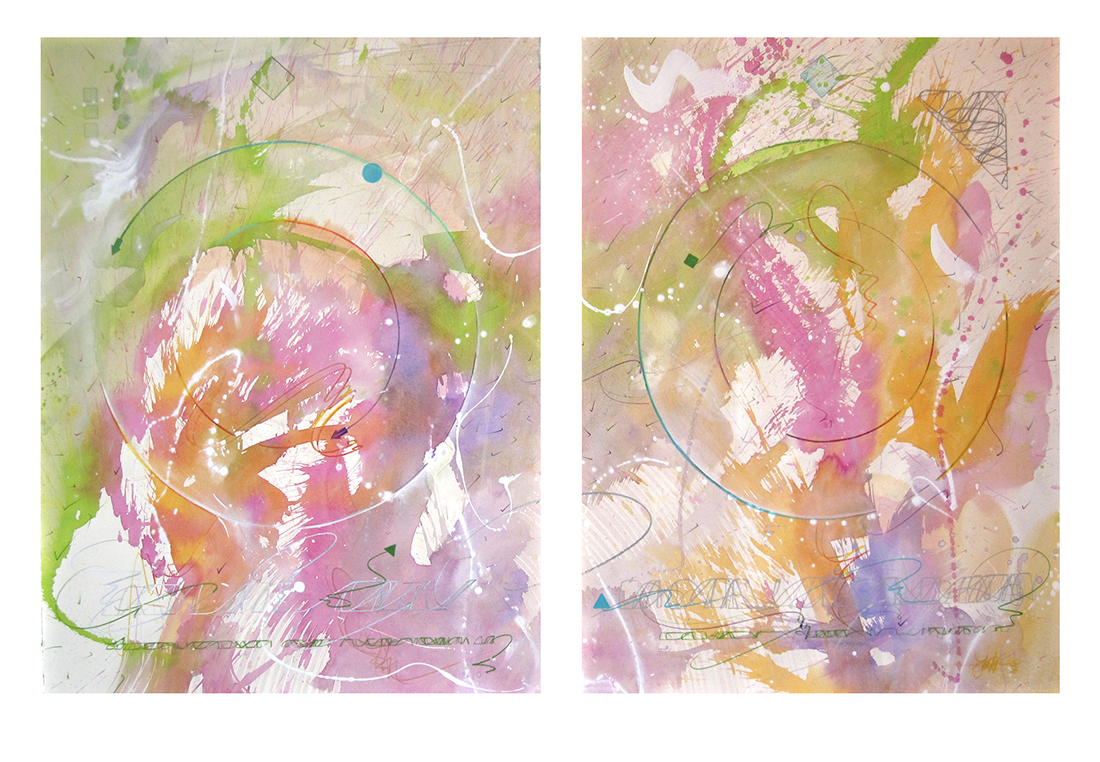
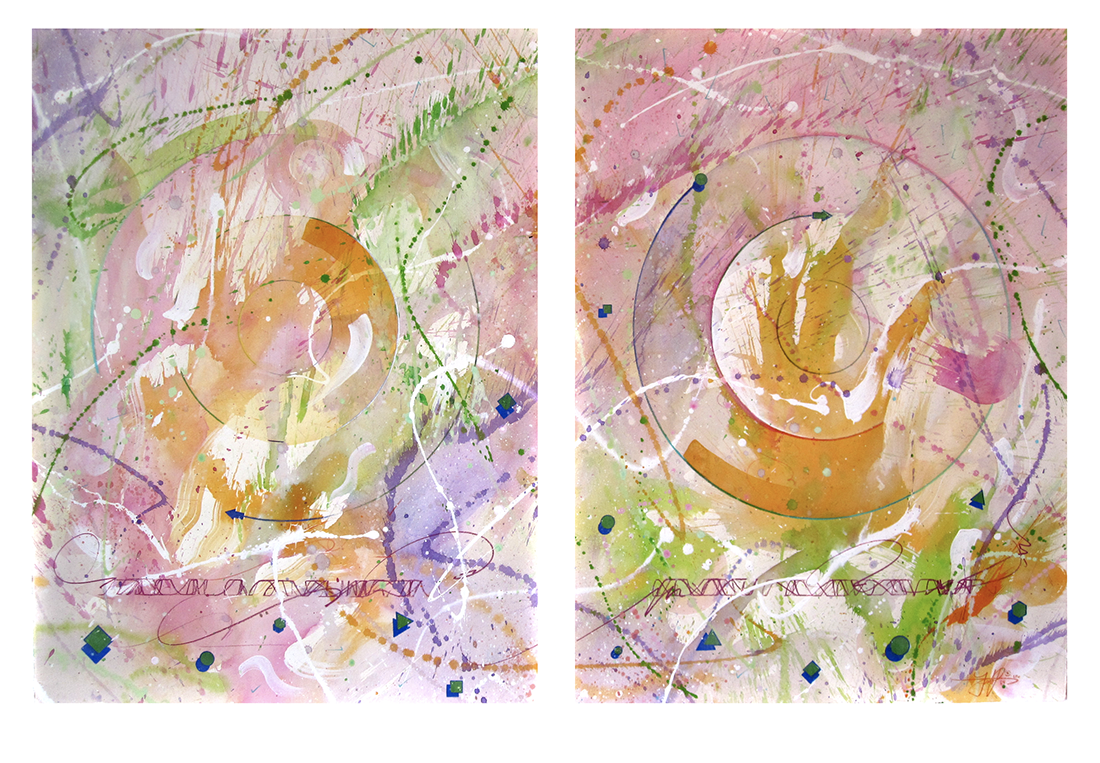
Building upon the historical legacy of the first microgravity “drift paintings” created during Research Project Number 33, Bio-Kinetic Drift translates the liberation of fluid dynamics into the realm of biological technology in Low Earth Orbit. It defines the fluid, organic behavior of floating 3D images and living systems within a zero-gravity environment. Rather than forcing terrestrial constraints onto space habitats, Bio-Kinetic Drift embraces the unmoored nature of microgravity, allowing biomorphic forms and living pixels to interact, shift, and communicate in a purely organic, free-flowing state where the inhabitants symbiotically live as twins to the green oxygen-filled home in which life thrives.
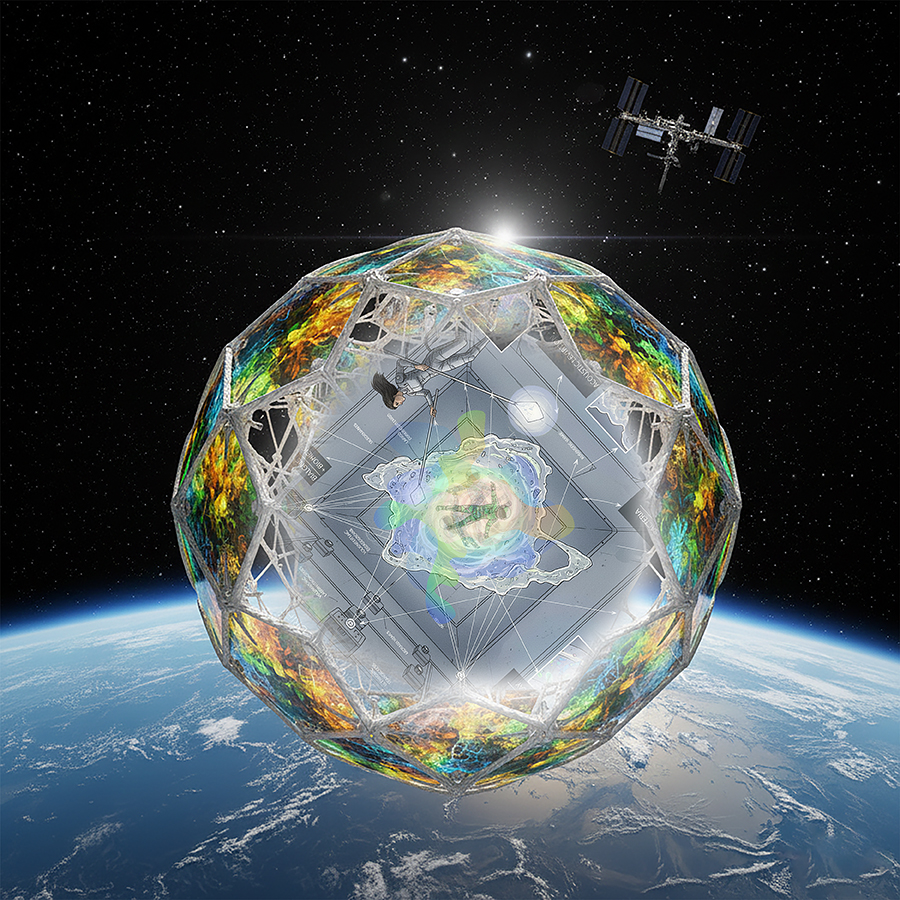
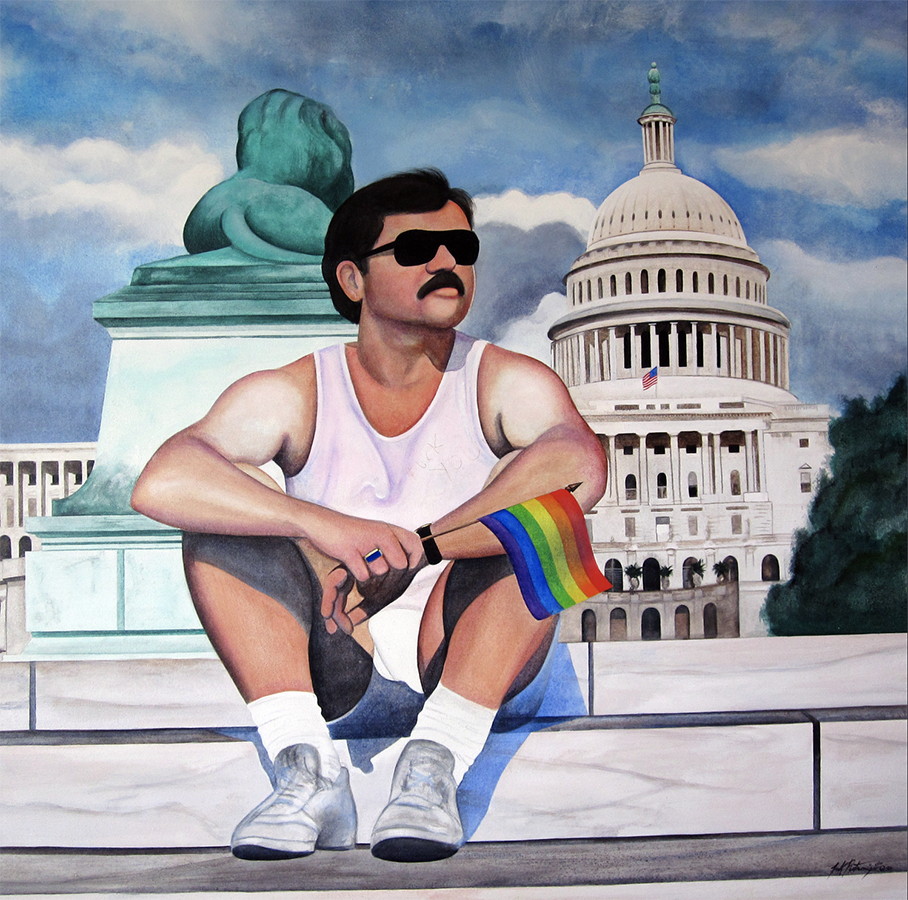
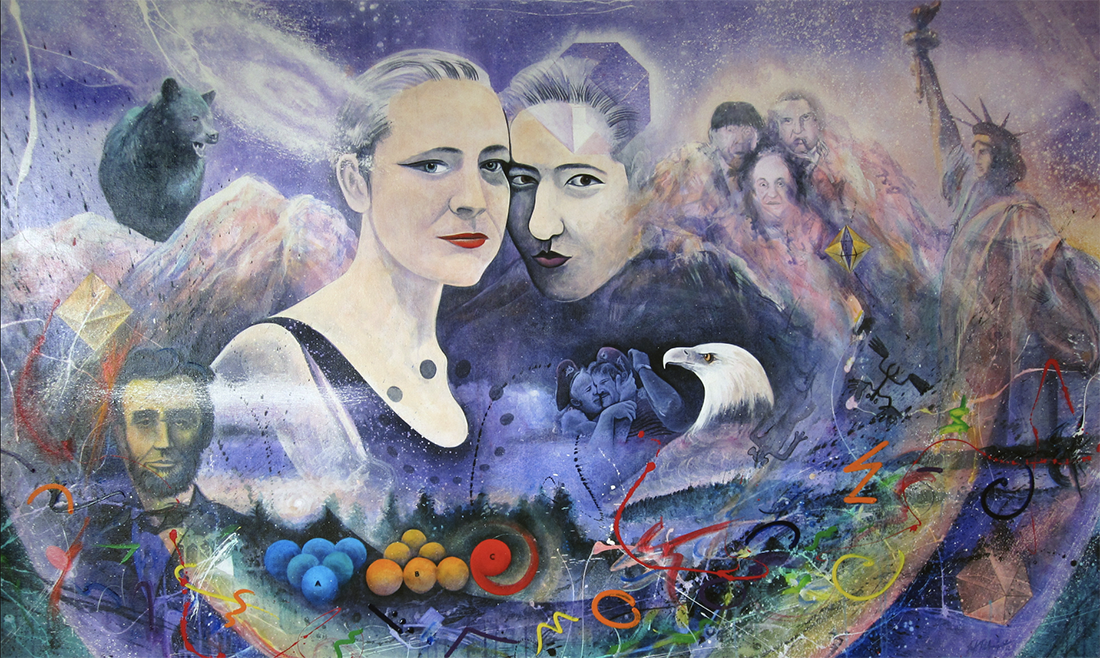
The Xenian Node in Low Earth Orbit (LEO) with the anchoring memorial to our civil rights ancestors grounded in San Francisco’s Columbarium in honor to those who have come before us as we continue our journey into The Frontier Age. Envisioned as a biological, living low Earth orbit space habitat, The Xenian Node also serves as a profound global civil rights memorial to our ancestor advocates and creatives like Harvey Milk, Odetta Holmes, Alan Turing, Dr, Sally Ryde, Bayard Rustin, Dora Richter, Miss Major Griffin-Gracy, Mariela Castro, Christine Jorgenssen, Sofia Ashraf, Marielle Franco, Lou Sullivan, Taro and Mitsu Yashima, Sarah McBride, Jean Moulin, Pyotr Pavlensky, Audre Lorde, Thodur Madabusi Krishna, Laverne Cox, Lu Xun, Sylvia Rivera, Rigoberta Menchu, Steve Biko, B.R. Ambedkar, Ada Gobetti, Simon Nkoli, Xiao Hong, Karl Heinrich Ulrichs, Chase Strangio and Sen Katayama.
While it stands as a symbolic continuation of the Seeding the Frontier ethos honoring the YLEM: Artist Using Science and Technology in the 1990s in Silicon Valley ancestors, The Xenian Node’s act of creation, as Beverly Kleiber aka Reiser said is indeed a ‘seeding the frontier’ project, it is a completely separate and distinct project; however from YLEM.
The Xenian Node also honors the ancestors of Sky Art, (Otto Piene, Elizabeth Goldring, Lowry Burgess, Paul Mattise, Joe Davis, Bradley Pitts, Yash Pal, Walter Hendrik Gustav Lewin, and others), YLEM: Artists Using Science and Technology in the 1990s in Silicon Valley (Beverly Kleiber aka Reiser, Roman Verostko, Sonya Rappoport, Larry Harvey, Joan Truckenbrod, Lucia Grossberger Morales, Jody Gillerman, Frank Pietronigro, Alan Rath, Louis M. Brill, Roger Malina and others), the artists of Zero Gravity Arts Consortium.
At the dawn of The Frontier age The Xenian Node brings hope for humanity and the future as a physical manifestation of Universal Hospitality—which the lab recognizes as an advanced form of human intelligence—in space. It is a sanctuary constructed not from inert materials, but through the cultivation of living systems designed to nurture life and foster harmony in microgravity.
Bio-Kinetic Drift

LuminaVision Innovation Labs
Modular and Portable Bio-Kinetic Responsive Interface and Living Canvas
Non-Modified AI Image, June 9, 2026
The Ethics of Cultivation
A Manifesto for Living Technology and Universal Hospitality
For more than six decades, the human imagination regarding space exploration has been trapped in an arcane, machine-centric paradigm. We have envisioned our journey into the cosmos as an act of encapsulation within rigid, sterile, geometric metallic hulls—cold containers designed solely for mechanical survival. This rigid engineering philosophy inflicts profound sensory deprivation and psychological alienation upon human inhabitants, presenting a critical barrier to long-duration space migration and terrestrial analog missions.
By integrating the arts, humanities, and social sciences into the core of aerospace architecture—pioneering a true STEAM methodology—we introduce a disruptive alternative: The Xenian Node. Rooted in the philosophy of #willoworld, this framework replaces cold metallic bulkheads with a living, responsive ecosystem driven by Bio-Pixels and the phenomenon of Bio-Kinetic Drift.
This biological disruption requires a profound shift in our technological ethics. For centuries, human technology has been defined by an ethic of extraction—we mine minerals, burn fuels, and treat our tools as dead objects to be used until exhaustion and then discarded. LuminaVision Innovation Labs explicitly rejects this framework, operating instead under the Bio-Pixel and Living Technology Ethics of Cultivation Rather Than Extraction:
“We do not build machines; we cultivate interfaces. The living components that illuminate our spaces and respond to our movements are not industrial resources to be mined, overdriven, or exploited for sterile data throughput. They are symbiotic companions. To practice Universal Hospitality in space engineering means we must care for the life that keeps us sane. The habitat becomes a collective garden. In cultivating the metabolic well-being of our biological interfaces, the crew cultivates their own humanity, participating in a shared cycle of respiration, care, and mutual survival.”
This ethic transforms the sociology of the crew. In a traditional habitat, maintenance is a chore of mechanical troubleshooting—fixing a pump, replacing a filter, tightening a bolt. Within the Xenian Node, environmental maintenance becomes an act of care, an ongoing stewardship of living systems. This fosters a deeply collaborative, empathetic social structure among crew members, connecting them directly to the biological feedback loops that sustain them.
If we are to survive the psychological weight of the cosmos, our environments must become soft, adaptable, and alive. By surrounding ourselves with living canvases that drift and breathe alongside us, we ensure that when we look out into the terrifying, empty vastness of outer space, we are always embraced by the welcoming, undulating light of home.